12 Smart Travel Rules for Stress-Free Adventures.
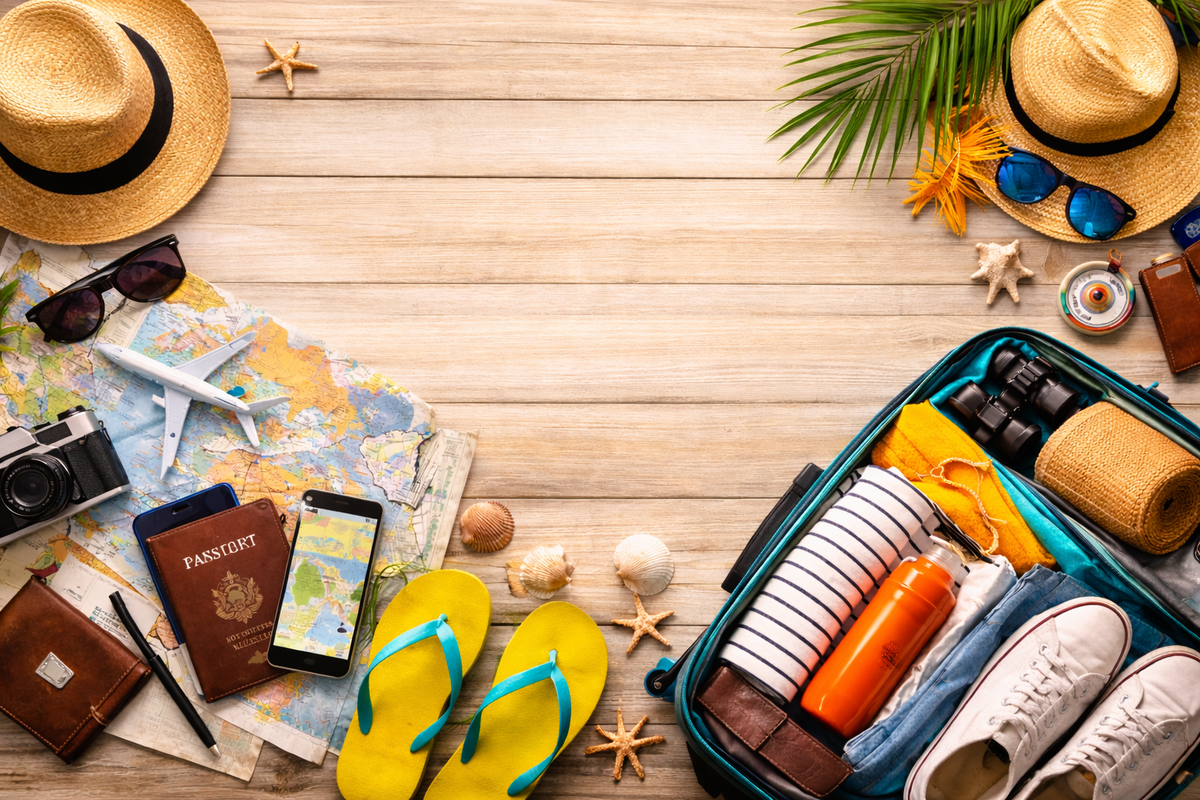
To be clear, this guide will not be about how to find the cheapest travel or planning one perfect vacation. It’s about creating a lifestyle of travel. A lifestyle built on a thought process — preparation, habits, and mindset you can apply anywhere. The key is having a repeatable process you can use anyplace, anywhere, anytime so that travel becomes second nature. These rules come from my real experiences — tested, refined, and leveled up. With the right system, every journey builds on the last, making you smoother and sharper each time.
Most travel blogs out there? They’re generic, repetitive, and written for newbies. Pack light. Eat local. Visit the top attractions. Yeah, we’ve all heard that before. This guide is different. As Anthony Bourdain once said: “Travel is not a reward for working, it’s education for living.” And that’s exactly the spirit of this guide.
Whether you’re flying two hours or ten, these principles will keep you one step ahead.
1. Plan Ahead and Stay Flexible
Most people say they cannot afford to travel and that may be true for most people. But for many, they say this because they are used to only paying retail for things they could otherwise get for much, much cheaper. But how? Timing. It’s all about timing. To be specific, it’s about booking flights and hotels well in advance. Book flights and hotels early to lock in good prices, and I mean early, 10 –11 months in advance. You may be surprised that you can get discounts as much as 70% when you do. But keep the flexibility. Platforms such as Booking.com can be a useful tool letting you pay nothing upfront for hotels but allow free cancellations. This way you don’t have to have skin in the game until you are sure you’re going. But what if you don’t know if you will be able to travel so far in the future? More to say on that later. Flexibility also includes going when the ticket is cheapest vs trying to find the cheapest ticket when you would most prefer to go. Almost every location has what’s called the “shoulder” season, right before and after the most desirable season. You can still usually get descent weather but with less crowds and cheaper prices. Finally do not be afraid of long layovers. Instead, view them as two trips. I have seen layers as much as 40 hrs. You do not have to stay in the airport. You can explore nearby attractions and book an airport hotel to store your carry-on, take a shower and get some rest to ensure you will not be late for your connection.
2. Pack Smarter, Not Heavier and Remember Power is King
Carry-on only. Please. Checked bags mean delays, fees, and stress. Invest in merino wool clothing and a SCOTTeVEST with hidden pockets to keep your passport and gear safe. Merino wool shirts can be worn 3 or 4 days before needing to wash. They are expensive but worth it to pack much, much less. Dedicate a pair of all-purpose shoes just for travel so they stay clean and ready. In fact, it wouldn’t hurt to have dedicated travel clothes instead of choosing from what you have at the time of travel. Pack a week early. Over that last week you’ll remember to add the things you would have forgotten otherwise if you packed last minute (like your passport). Roll or vacuum seal clothes, and always keep a travel bag pre-packed with travel gadgets like power converters and plug adapters so that you do not have to look for them when ready. Finally, don’t forget digital essentials — download Google Maps offline, grab a translation app, and have WhatsApp ready for calls and texts abroad.
Finally, remember that your phone is your lifeline — maps, boarding pass, translator, wallet. Don’t let it die on you. Carry multiple battery packs so one can charge while you use the other. A power bank that charges both phone and laptop is a clutch move. Start every day at 100%.
3. Master the Airport Game
People hate airports. And I don’t blame them. Airports are absurdly inefficient and can make or break your travel. There are, however, some very good ways to reduce the pain. As mentioned earlier, carry-on only. Always download the airline app, check in online if possible, and I strongly suggest getting TSA PreCheck and Global Entry. Pre-check helps avoid long lines to begin your trip. And when you come back from overseas on a long trip, the last thing you want to do is stand on an insanely long Customs line. Global Entry makes all that go away — poof! Money well spent.
Once you clear security, always, always head straight to your gate before doing anything else. It may be farther than you think, and some flights board early. Also be kind to airport and airline staff. They are often treated poorly and recognize when someone is respectful and civil, maybe even friendly. A smile and some respect can get you better treatment, whether it’s a smoother boarding, a bag tucked away, or even a seat upgrade. Finally, when arriving in a foreign country, walk with swagger. Walk a little slower. Walk the way you would walk arriving home from across seas. Confidence makes you blend in and keeps you from looking like a nervous target.
4. Stay Central & Explore Smart
Where you stay sets the tone for your travel. Skip most Air BnBs — too much risk with hidden fees, hidden cameras, and cancellations. And don’t obsess about cost. If you are going to travel all this way, why spoil it on bad bed coils and itchy sheets? Go for reliable 3 or 4-star hotels or serviced apartments on Booking.com right in the city center. You’ll save time and hassle by being close to the action. In history-rich destinations like Rome or Cairo, go to sites like Viator to book tours that let you hit all the highlights in one or two days. Also, consider starting your trip with a red bus site seeing tour if available and ride the full route at least once just to get a feel for the city and a lay of the land. Finally, if you’ve got a late arrival or early departure, crash at an airport hotel on the first or last day of your travel — it’ll make life so much easier.
5. Spend Smart, Tip Smarter
Carry at least three forms of payment — one credit card, one debit card, and some local cash (depending on location). Always notify your bank before travel, avoid airport currency exchange booths, and tuck away a spare card or an emergency $100 bill. And remember: tipping isn’t just courtesy — it’s strategy. Bellhops, drivers, and waiters who get treated well often return the favor by looking out for you. In many countries, tipping opens doors money alone can’t.
6. Stay Safe & Healthy
Leave valuables at home. Flashy watches and jewelry attract the wrong attention. Keep backup copies of your passport and ID, split your money in different spots, and stay hydrated on flights. Avoid raw food unless you’re at a high-end restaurant, and skip street food unless you know it’s safe and cooked in front of you. Stick to daylight hours and tourist spots when exploring. You really don’t need to be in local areas to get a real feel for a country if you do your research in advance. Daylight in tourist areas have a lot of police presence and as safe as it gets in a foreign country. Always keep your passport on you — a SCOTTeVEST is safer than a hotel safe. For memories, carry a small discrete bodycam — it keeps your phone tucked away safely while capturing moments hands-free.
7. Always Use Uber (or Similar Service)
I believe Uber has unilaterally made travel safer across the globe. Skip random taxis when you can. Apps like Uber, Lyft, Bolt, or Grab are safer, tracked, and priced upfront. No haggling, no scams. Save your hotel address pinned in the app so you can always get back without fumbling with translations.
8. Consider Cold Trips
Everyone runs to the beaches, but cold-weather destinations are underrated. Some of my most memorable travel experiences were in places like Iceland and Alaska. If you want adventure, think cold. You’ll get atmosphere you won’t find anywhere else. Bundle up and lean in — cold trips often leave the warmest memories.
9. Mindset & Respect
Delays, crowds, and surprises are part of travel. Don’t let them wreck your mood. Stay curious, flexible, and focus on experiences more than photos. There is a reason that life seems to speed up as you get older. It’s not because you’re older per se. It’s because you no longer have novel or new experiences. Repeated tasks, however, do not get recorded, so what you can remember from your typical week is much, much less than doing something for the first time. That’s why traveling is so important. When you experience new things, time will slow down for you. And always remember when traveling that you’re a guest in someone’s country. Respect the culture, respect property, dress appropriately, learn a few phrases, and carry yourself with humility. A simple “Do you speak English?” or “thank you” in the local language can change how people treat you.
10. Go the Distance for Short Escapes (Even as much as 10 Hours)
I often hear people say, “it doesn’t make sense to go that far for just a short trip.” Let’s think about that for a second. If you only flew long-haul to places you planned to stay for a week or more, how many places could you realistically see in a year? One? Maybe two? Now, how many places can you visit if you were willing to stay only 2 or 3 full days? Probably 8 or more! Build long weekends around holidays, or take a Friday and Monday off from work to create long weekend trips. And those long flights? Take an overnight departure. You’ll sleep 8 hours and only feel 2–4 of them. From NYC, you can reach London, Paris, or Madrid in under 8 hours — perfect for a long weekend. Even 10-hour flights are worth it if you plan right. Two days in a completely new culture can recharge you more than a week close to home.
11. Be Willing to Buy and Not Use Tickets
I know this will sound crazy to some people, but hear me out. Sometimes the smartest move is grabbing that super cheap fare; even if you’re not 100% sure you’ll take the travel. Think of it as buying the option to travel, not just the ticket. A $150 round trip to Europe or the Caribbean might not get used — but it gets you in the habit of spotting and acting on deals. That mindset shift keeps your travel flexible, opportunistic, and way cheaper in the long run. Sometimes I book 10 or 11 months in advance with no clue what my circumstances will be like in the future. So what? When you average out the lost ticket fee with the extreme discounts for the travel you do take, you still end up ahead. You just have to trust the process.
12. Debrief After Every Trip
When you get home, take ten minutes to reflect. What worked? What didn’t? What will you do differently next time? What didn’t you need to bring? What do you need to bring next time? Keep a running note on your phone — a personal travel playbook. Every journey should make the next one smoother.
Final Thoughts
Travel isn’t about how far you go — it’s about how smart you move. With these rules, you’ll save time, avoid stress, and unlock experiences most people miss. Be flexible, pack light, walk confident, respect where you are, and keep refining your game. Remember: flexibility is your ultimate travel superpower and every journey is training for the next one.